
Bharata (Part 1)
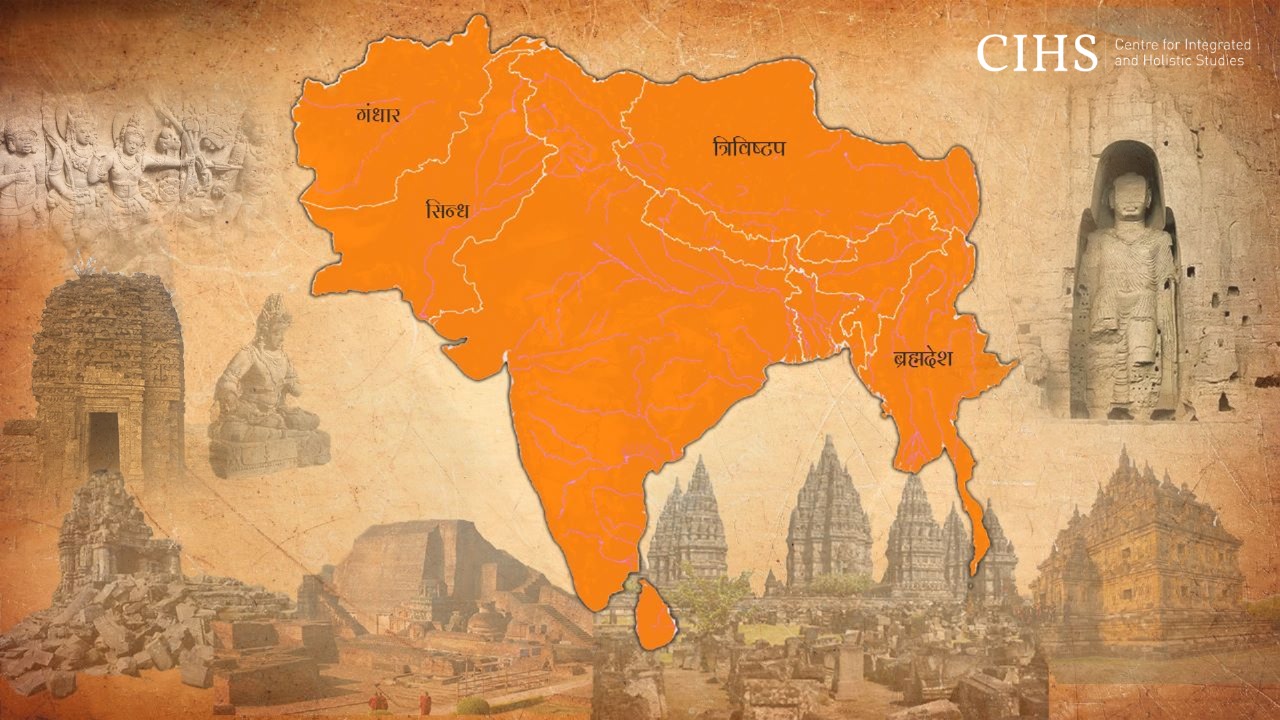
Unravelling the Name's Origin and Deeper Meaning
The name 'Bharata' carries profound significance in Indian civilization, representing not just a geographical identity but a cultural and spiritual continuum that spans millennia. This research delves into the etymological, historical, and philosophical dimensions of this ancient name.
Etymology of Bharata
The word 'Bharata' is derived from the Sanskrit root 'bhr' meaning 'to bear' or 'to carry'. This etymology suggests the meaning 'one who is engaged in the pursuit of knowledge' or 'one who carries forward the light of wisdom'. The name thus embodies the civilizational ethos of knowledge-seeking and preservation.
Historical References
The name Bharata appears in numerous ancient texts, from the Rigveda to the Mahabharata. Emperor Bharata, the son of King Dushyanta and Shakuntala, is often credited as the legendary ruler after whom the land was named. His reign is described as a golden age of dharmic governance and prosperity.
“The land that lies south of the Himalayas and north of the ocean is called Bharata, for there dwell the descendants of Bharata.”
Bharata as a Civilizational Concept
Beyond mere geography, Bharata represents a civilizational idea - a shared cultural memory, philosophical outlook, and spiritual aspiration. It encompasses the diversity of traditions, languages, and practices united by common threads of dharma, karma, and the pursuit of moksha.
The Significance Today
Understanding the true meaning of Bharata is essential for reconnecting with our civilizational roots. In an age of rapid change and cultural homogenization, this knowledge helps preserve and transmit the wisdom of our ancestors to future generations.
Conclusion
This is the first part of our comprehensive study on Bharata. In subsequent parts, we will explore the geographical, political, and spiritual dimensions of this timeless concept, drawing from primary sources and scholarly research.